
Case Previews
Industrial IoT Division
Field Service - PE-Backed - Industrial Technology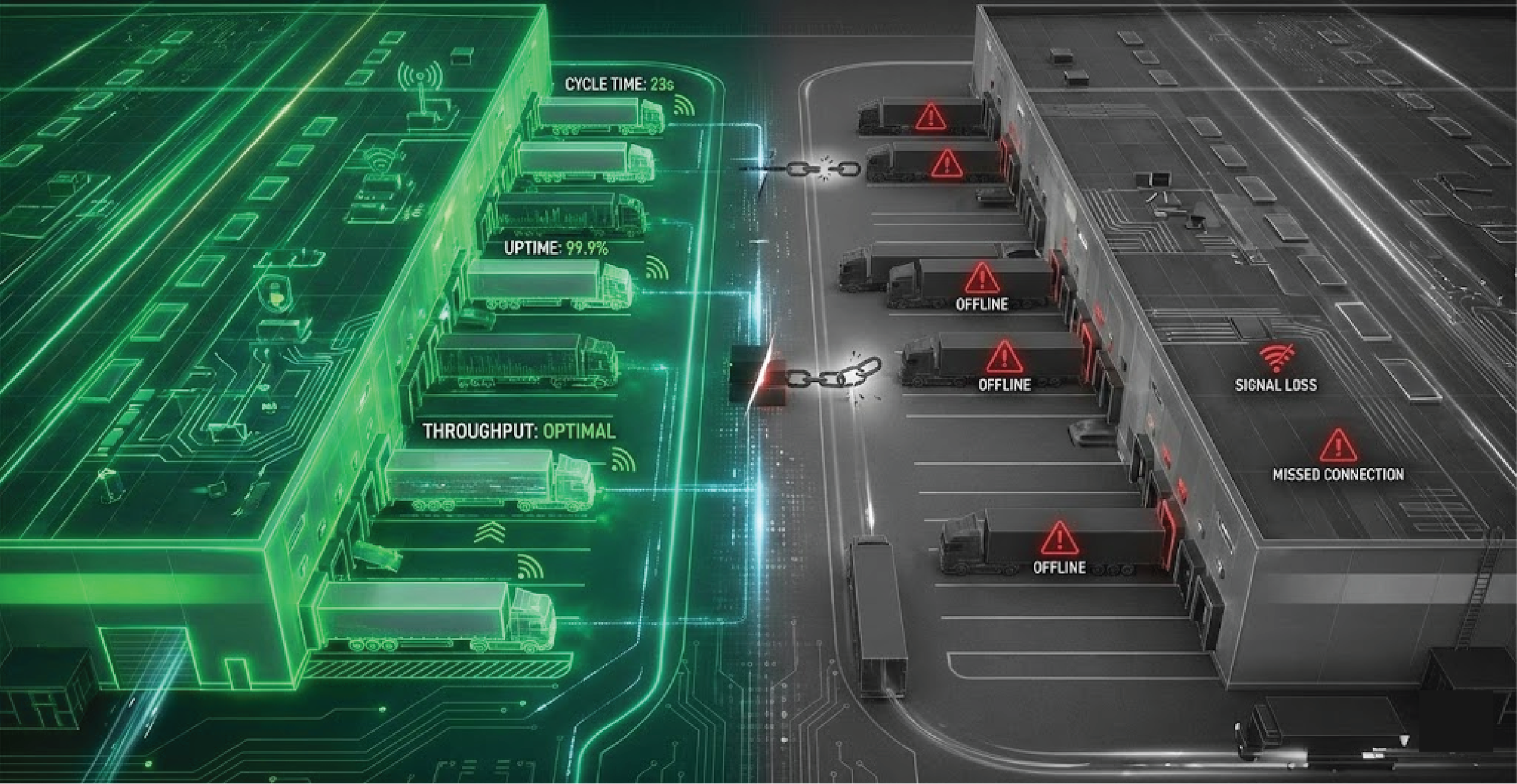
$600 → $90
Hardware Unit Cost Reduction
8% → 14%
EBITDA Improvement
20% → 56%
Gross Margin Expansion
$18M
Revenue Built from Zero
Client Outcomes
$10M+
Annual OpEx Savings
Converted $35M fixed schedule maintenance contract to usage-based predictive model.
$16M
CapEx Avoidance
Aligned maintenance cycles to real-time asset condition data, eliminating premature equipment replacement.
$8M+
Cost Avoidance
Deployment and alignment of workforce optimization and data-driven field service enablement
The Situation
A PE-backed industrial services company had believed its technology division was validated and in growth mode. The investment thesis was built on a working platform, a proven commercial model, and a clear path to scale.
Seventy-two hours on the ground told a different story.
The hardware couldn't transmit a signal. The data architecture had fundamental flaws. Security vulnerabilities ran throughout the platform. The commercial model had never been tested against a real customer. Every vendor relationship was compromised.
The division wasn't in growth mode. It was in structural failure, and no one had named it yet.
What Was Installed
Full structural diagnostic completed within 72 hours of arrival. Leadership briefed on the complete picture - no hedging, no softening. Every vendor terminated. Engineering RFI issued. Complete rebuild initiated across hardware architecture, digital platform, commercial model, and go-to-market strategy.
Within 90 days: new direction established, new vendor architecture in place, new commercial strategy validated, new supply chain structure designed.
The supply chain redesign included a USMCA sourcing strategy that restructured country of origin from China to Mexico, reducing landed unit cost from $600 to under $90 and locking in an additional 7% structural cost reduction through favorable HTS code positioning. This wasn't a negotiation tactic, it was permanent architectural change built into the cost structure.
Within 16 months: the entire division had been rebuilt from the ground up. $18M in cumulative recognized revenue built from zero, in a division with no commercial track record, no inbound demand, and no inherited customer base at engagement start.
The Fault Line
Growth velocity had been assumed rather than built. The division had been resourced and funded as if the architecture beneath it was sound. It wasn't.
The fault line ran through every layer simultaneously - hardware, platform, commercial model, and vendor ecosystem. There was no partial fix available. The entire system required a structural reset. The only question was whether leadership was willing to hear that diagnosis clearly and act on it decisively.
They were.
The Proof of Durability
The architecture installed during the rebuild was designed to run without the installer present. That is the test of whether structural work was actually done, or just recommended.
The operating discipline, commercial model, supply chain structure, and platform architecture were handed off completely. The engagement ended. The business kept running.